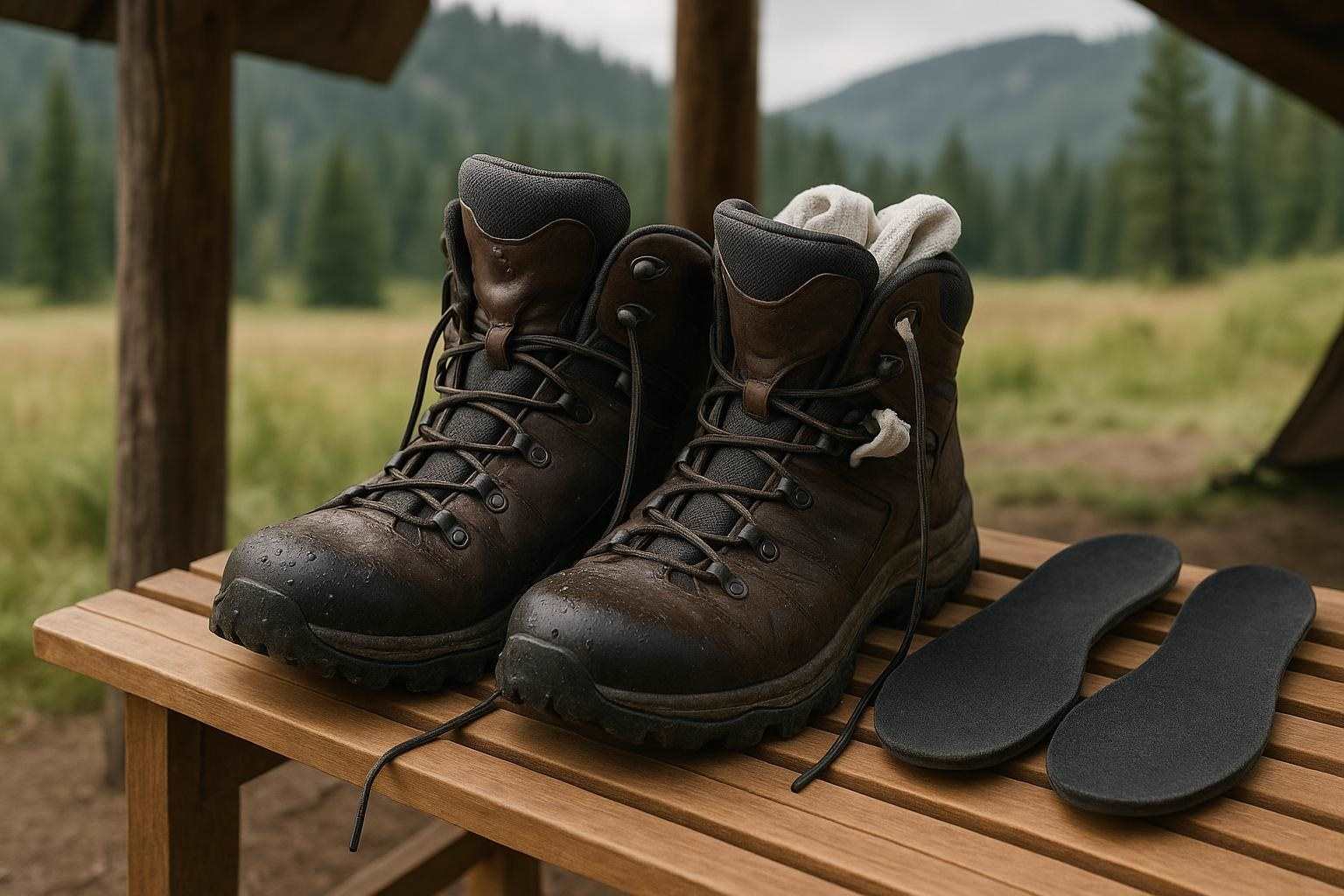
How to Dry Wet Hiking Boots Without Ruining the Materials
Drying Wet Hiking Boots: A Comprehensive Approach
Wet hiking boots can cause problems, with your plans leaving you with a choice: keep going stop to dry your boots or change your route. Your decision depends on things, including your foot comfort and the path ahead. While a drying solution might seem easy it could hurt the materials of your boots leading to discomfort and possible injuries. Here is how to handle the situation
Assess Your Conditions
Before making any choices take a moment to look at your boots and your feet. Start by checking your feet; if your socks are wet but your skin is okay you might decide to keep going until you find a chance to rest. However if you see any spots, numbness or signs of damage it is important to stop. Wet boots can be uncomfortable. Painful feet are a bigger problem.
Next think about the path. A wet boot might be okay for a walk. Could become a real issue on a long hike especially if bad weather is coming. If it is getting dark or the conditions are not good it might be better to change your plan of risking foot problems. Often changing your path in time is the way to get out safely.
Effective Drying Techniques
The key to drying boots is to let air move around them. To start open the boots tongue. Gently pull apart the cuff to help air flow. Find a place that's shaded and windy as direct sun can sometimes do damage than good possibly making other materials bend or break. Remember to turn your boots so that moisture does not stay in one place.
When you are at camp think about putting something that takes in water inside your boots like cloths or even paper. Change the stuff when it gets wet. Put your boots on their sides to stop the soles from lying flat which could trap water inside.
Do not put your boots near heat sources like campfires or heaters as this can break the leather weaken the glue and hurt the waterproofing. Warm air is helpful only when it is mixed with a lot of air movement.
Understanding Material-Specific Drying
Not all boots are the same;. Their drying needs can be different based on the material. For leather boots it is important to wipe away water and let them dry naturally. Hurrying the process could make the leather hard. Cracked. Once they are dry check the leather. Use products made for it as using the wrong ones can stop it from breathing and damage it overall.
Synthetic boots usually dry faster. They can still be hurt by much heat. Watch them closely especially if they have a layer as sweat can build up when it is sealed inside. Take out the insoles. Open the boot all the way to help the drying process.
Also look at the rubber parts; they might react differently to some cleaners than the rest of the boot. If there are no instructions from the maker use a brush to clean dirt use water to rinse and let everything air dry after that.
Prioritize Foot Health
As your boots dry it is important to make sure your feet stay comfortable. Change into a pair of socks to help with the discomfort letting your feet breathe. Keep an eye out for any redness or soreness in areas like your heels the bottom of your feet and your toes. If you find any problem areas adjust your laces. Use pads to cut down on rubbing before you go back on the trail again.
Keeping a pair of socks in a bag in your pack is a great idea making sure you always have a dry option when you need it. Carrying around boots is not comfortable; changing socks can make you feel better during a hike. Remember, keeping your gear separate from your things is important for comfort.
If after drying your boots still feel too heavy or hard to move don't be afraid to change your path. Sometimes the best choice is to make your trip simpler to match how you feel.
Preparation for Your Adventure
Being ready before you start your hike can save you a lot of trouble once you are on the trail. Know the features of your shoes. Follow the cleaning tips from the maker. When trying on your boots make sure they fit well with the kind of socks you plan to wear. Think about bringing something that helps with drying whether it is a cloth, breathable bags or just paper for your camp setup.
Here is a simple list to help you take care of your shoes while hiking:
– Check your feet often for any signs of pain or discomfort.
– Take out the insoles loosen the laces and shake out any dirt when needed.
– Wipe the parts. Focus on letting air move around to help dry faster.
– Keep leather and glued shoes away from heat to avoid damage.
– Change any socks keeping wet boots separate from dry stuff.
– Be ready to change your path if your comfort level starts to go
After your trip make sure to dry your boots in a place with air flow and clean off any dirt that is left. Store them when you know that the inside and the insoles are completely dry. Use this time to check how your boots are doing looking for any wear at the seams, eyelets and other important parts. Fixing these problems early can stop issues on your trip.
Finally know the rules about fires, wildlife and camping, in the area. Keep your feet comfortable use air to help dry your boots and change your plans if things get tough. Happy hiking!
